
 admin
admin Why Rushing Your Nutrition Triggers Metabolic Stagnation
Food is not just calories; it is code. It is an environmental input that instructs your cells to either build and repair, or down-regulate and store defense layers.
But the fitness industry has lied to you, convincing you that as long as you hit your macro targets, it doesn’t matter how or where you consume them. You are told to chug a shake while weaving through traffic, slam a pre-prepped meal while standing at your desk responding to emails, or grab substandard food on the move because you are too busy to pause.
Physiologically, you are forcing high-performance fuel into a locked, closed system.
To optimize your cellular chemistry, you have to understand that your digestive tract cannot operate efficiently under the influence of adrenaline. If you do not change the state of your nervous system before you consume fuel, you are actively manufacturing your own metabolic midday crash.
The Biology of Gastric Shock
Your autonomic nervous system operates like a basic toggle switch. It is either in a sympathetic state (fight, flight, freeze, or rush) or a parasympathetic state (rest, digest, and repair).
When you are rushing, stressed, or moving with urgency, your body is anchored in the sympathetic lane. Your brain doesn’t know the difference between being chased by a predator or being late for an afternoon meeting—it treats the physiological stress identically.
- Vascular Shunting: Under sympathetic dominance, blood flow is aggressively diverted away from your internal organs and sent straight to your limbs and motor centers. Your stomach and intestines are effectively starved of the blood volume required to process food.
- Enzyme Suppression: Stress actively halts the secretion of salivary enzymes and hydrochloric acid in the stomach. Food lands in an environment completely unequipped to break it down.
- The Motility Freeze: Intestinal peristalsis (the rhythmic contractions that move food through your gut) slows to a dead stop.
When you consume food on the move, that meal sits stagnant in an un-acidified, poorly vascularized digestive tract. The result isn’t clean fuel delivery; it is gut fermentation, systemic inflammation, bloating, and a massive drain on your cognitive energy as your body tries to fix the traffic jam.
The Stationary Refuel Protocol
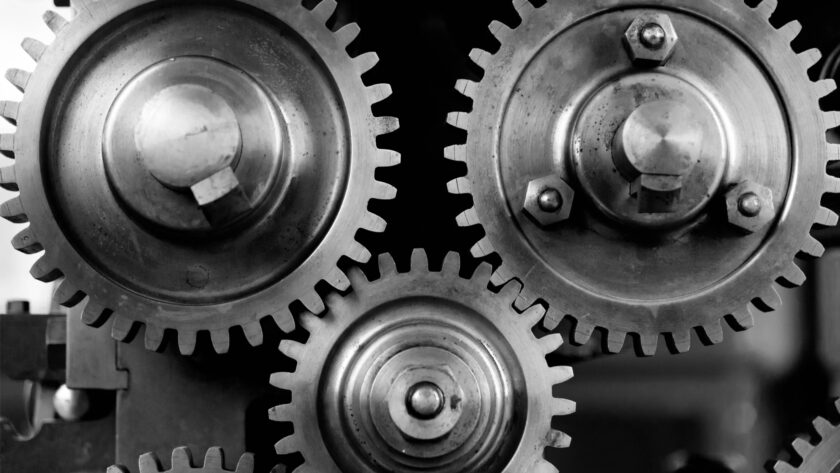
To unlock the true chemical potential of your food, you must establish a strict boundary between motion and consumption. You need to let the gears synchronize before you drop the load. This is the Stationary Refuel Protocol:
- Change Your Posture: Never eat standing up, walking, or driving. Physically sit down. The simple act of sitting down signals your musculoskeletal system that the immediate need for high-torque movement has paused.
- The 60-Second De-escalation: Before you take your first bite, close your eyes and take three deep, slow breaths. This simple sensory reset manually stimulates the vagus nerve, forcing your autonomic nervous system to toggle out of the rushing sympathetic lane and step into the parasympathetic lane.
- The Monotasking Mandate: Disconnect from screens, email feeds, and intense conversations while eating. Let your sensory system focus purely on the inputs of the meal.
Conditioning the Providers
When you consistently sit down and allow your heart rate to settle before refueling, you condition your body to become an exceptionally efficient energy provider. Your cells absorb nutrients at an accelerated rate, your blood sugar stabilizers keep insulin flat, and your digestive engine operates with zero friction.
Stop fueling your machine while it’s racing down the highway. Sit down, shift into the parasympathetic gear, and let your biology work for you instead of against you.